
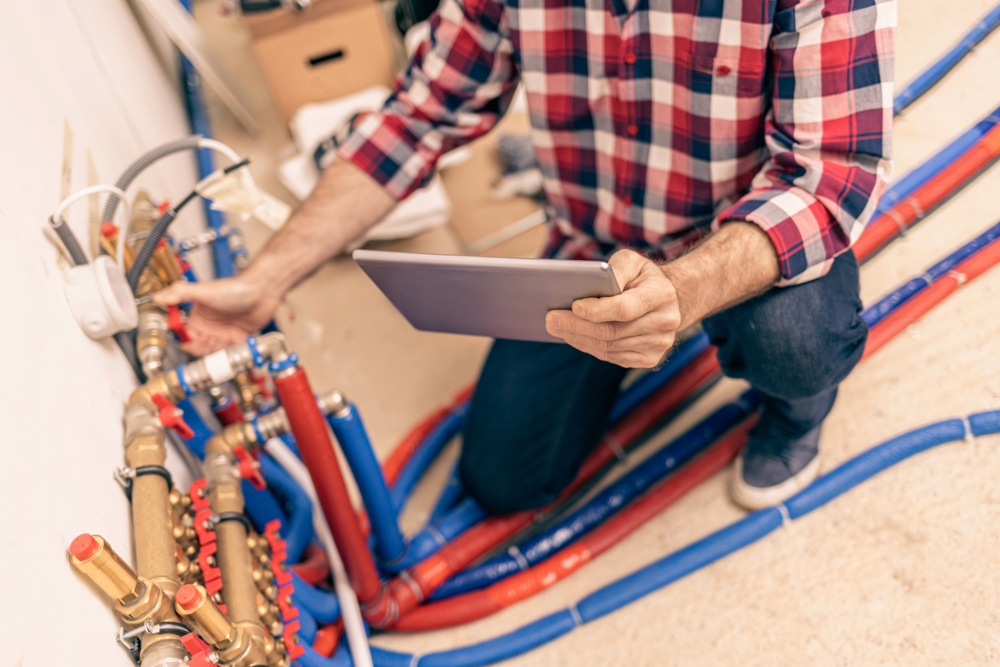

Spring is the perfect time to take a close look at your home’s plumbing. After months of freezing temperatures, ice, and snow, your pipes, fixtures, and drainage systems have been put through a serious test. A thorough post-winter plumbing inspection can help you catch small problems before they turn into costly repairs. Whether you are a homeowner in Toronto, Vancouver, Calgary, or anywhere else in Canada, this seasonal checklist will help you protect your home and avoid emergency plumbing calls.
Table of Contents
- Why a Spring Plumbing Inspection Matters
- 1. Inspect All Exposed Pipes for Cracks and Leaks
- 2. Check Your Outdoor Taps and Hose Bibs
- 3. Test Your Sump Pump
- 4. Inspect the Water Heater
- 5. Run Water in Infrequently Used Drains
- 6. Check for Slow Drains Throughout the Home
- 7. Inspect Toilet Tanks and Bowls
- 8. Look for Signs of Water Damage on Ceilings, Walls, and Floors
- 9. Examine the Main Water Shut-Off Valve
- 10. Schedule a Professional Drain and Sewer Line Inspection
- Quick Spring Plumbing Checklist
- When to Call an Emergency Plumber
- Protect Your Home This Spring
Why a Spring Plumbing Inspection Matters
Canadian winters are harsh. Prolonged exposure to sub-zero temperatures can cause pipes to crack, joints to loosen, and seals to fail. Many of these issues go unnoticed during winter because they are hidden behind walls, under floors, or buried underground. As temperatures rise in spring, water begins flowing through damaged areas, and that is when leaks, floods, and water damage become visible.
A proactive spring inspection saves you money, protects your property, and gives you peace of mind heading into the warmer months.
1. Inspect All Exposed Pipes for Cracks and Leaks
Start by visually inspecting any pipes you can access, including those in the basement, utility room, crawl space, and under sinks. Look for:
- Visible cracks or splits in the pipe material
- Rust or corrosion on metal pipes
- Moisture or water stains around joints and fittings
- Bulging or swelling in plastic pipes
Even a hairline crack can allow significant water loss over time. If you notice any damage, contact a licensed plumber before the problem worsens.
2. Check Your Outdoor Taps and Hose Bibs
Outdoor taps are among the most vulnerable plumbing components during winter. Frost can penetrate the tap and damage the internal valve or the pipe behind the wall.
To check your outdoor taps:
- Turn each tap on and let water run for a few seconds
- Check for a reduced flow or dripping after you turn it off
- Inspect the surrounding wall inside your home for any signs of dampness or discolouration
- Look for cracks in the tap body itself
If your outdoor tap drips constantly or you notice water damage inside the wall, you likely have a burst pipe that needs immediate attention.
3. Test Your Sump Pump
Spring brings snowmelt and heavy rain, which dramatically increases the risk of basement flooding. Your sump pump is your first line of defence, so testing it before the wet season is critical.
How to test your sump pump:
- Locate the sump pit in your basement
- Pour a bucket of water into the pit
- The pump should activate automatically and remove the water within a few seconds
- Check that water is being discharged properly through the outlet pipe
If the pump does not activate, makes unusual noises, or takes too long to remove the water, it may need servicing or replacement. A failed sump pump during a spring flood can cause thousands of dollars in water damage.
4. Inspect the Water Heater
Your water heater works extra hard during winter. Spring is a good time to assess its condition and efficiency.
Look for:
- Rust or corrosion around the tank
- Puddles or moisture near the base of the unit
- Unusual sounds such as popping, rumbling, or banging when it heats water
- Sediment buildup, which can reduce efficiency and shorten the lifespan of the heater
It is also a good idea to check the temperature and pressure relief valve by lifting the lever slightly. Water should flow out and stop when you release it. If it does not, the valve may need to be replaced.
5. Run Water in Infrequently Used Drains
Drains that have not been used all winter, such as basement floor drains, guest bathroom sinks, or utility tub drains, can dry out and allow sewer gases to enter your home. The P-trap, which is the curved section of pipe beneath a drain, is designed to hold water and block those gases.
To address this:
- Run water in all sinks, showers, and floor drains for 30 to 60 seconds
- Pour a cup of water into floor drains that are rarely used
- If you smell a sulphur or rotten egg odour near a drain, the P-trap may be dry or there could be a more serious sewer line issue
6. Check for Slow Drains Throughout the Home
Slow drains are one of the most common signs of a developing blockage. Over the winter, grease, soap scum, hair, and debris can accumulate in your drain lines.
Test each drain in your home, including:
- Kitchen sink
- Bathroom sinks
- Shower and bathtub drains
- Laundry tub
If water drains slowly or backs up, try using a drain snake or a natural cleaning solution before reaching for chemical drain cleaners, which can damage older pipes. For persistent clogs or multiple slow drains, a professional drain cleaning service is the best option.
7. Inspect Toilet Tanks and Bowls
Toilets can develop cracks, leaks, and internal faults without any obvious signs. Add a few drops of food colouring to the toilet tank and wait 15 minutes without flushing. If the colour appears in the bowl, you have a leaking flapper valve that is wasting water silently.
Also check:
- The base of the toilet for any signs of water or soft flooring, which could indicate a wax ring failure
- The tank components for cracks or rust
- Water flow when flushing to ensure the toilet flushes fully and refills properly
A running toilet can waste hundreds of litres of water per day, significantly increasing your water bill.
8. Look for Signs of Water Damage on Ceilings, Walls, and Floors
Leaks that developed over winter may not always be obvious at the source. Walk through your home and look carefully for:
- Yellow or brown stains on ceilings or walls
- Bubbling or peeling paint
- Soft spots or warping in wood floors
- Mould or mildew growth, particularly in bathrooms, around windows, and in basements
These signs often indicate a slow leak somewhere inside the wall or ceiling structure. Early detection prevents structural damage and potential health hazards from mould growth.
9. Examine the Main Water Shut-Off Valve
In a plumbing emergency, your main water shut-off valve is the first thing you need to reach. Spring is the right time to make sure it is operational.
- Locate the main shut-off valve (usually near the water meter or where the main line enters your home)
- Turn it off and then back on to ensure it moves freely
- Check for any leaks around the valve itself
If the valve is stiff, leaking, or cannot be fully closed, have a plumber service or replace it. A stuck shut-off valve during a burst pipe emergency can turn a manageable situation into a serious one.
10. Schedule a Professional Drain and Sewer Line Inspection
After a long winter, tree roots that have grown into sewer lines over the previous season often become more active in spring. Additionally, ground movement caused by freezing and thawing can shift or crack underground sewer pipes.
Signs that your sewer line may be compromised include:
- Multiple slow or backed-up drains in different parts of the home
- Gurgling sounds coming from toilets or drains
- Foul odours inside the home or near the foundation outside
- Wet or unusually lush patches of grass in your yard
A professional plumber can perform a camera inspection of your sewer line to identify root intrusion, pipe cracks, or blockages before they cause a complete backup.
Quick Spring Plumbing Checklist
Pipes and connections:
- Inspect all visible pipes for cracks, rust, and moisture
- Check outdoor taps and hose bibs for freeze damage
Water management:
- Test sump pump operation
- Check water heater condition and pressure relief valve
- Run water in all infrequently used drains
Fixtures:
- Test each toilet for silent leaks
- Check toilet base for wax ring leaks
- Clear slow drains throughout the home
Structure and system:
- Look for water stains, mould, and soft flooring
- Confirm the main shut-off valve operates freely
- Book a professional sewer line inspection if needed
When to Call an Emergency Plumber
Some plumbing issues found during your spring inspection will require immediate professional attention. Do not delay calling a licensed plumber if you notice:
- Active water leaks from pipes, fixtures, or appliances
- No water pressure in the home
- Sewage smells or visible sewage backup
- A sump pump that fails to operate during heavy rainfall
- Flooding in the basement or crawl space
A qualified emergency plumber can respond quickly, minimise damage, and get your home’s plumbing back to full working order.
Protect Your Home This Spring
Taking the time to complete a post-winter plumbing inspection is one of the smartest things you can do as a Canadian homeowner. The small investment of a few hours now can prevent major plumbing failures, water damage, and expensive emergency repairs later in the season.
If you find issues during your inspection or simply want a professional set of eyes on your plumbing system, a licensed plumber can provide a comprehensive assessment and address any concerns before they become serious problems.
Do not wait for a small drip to become a big flood. Inspect your plumbing this spring and start the season with confidence.