
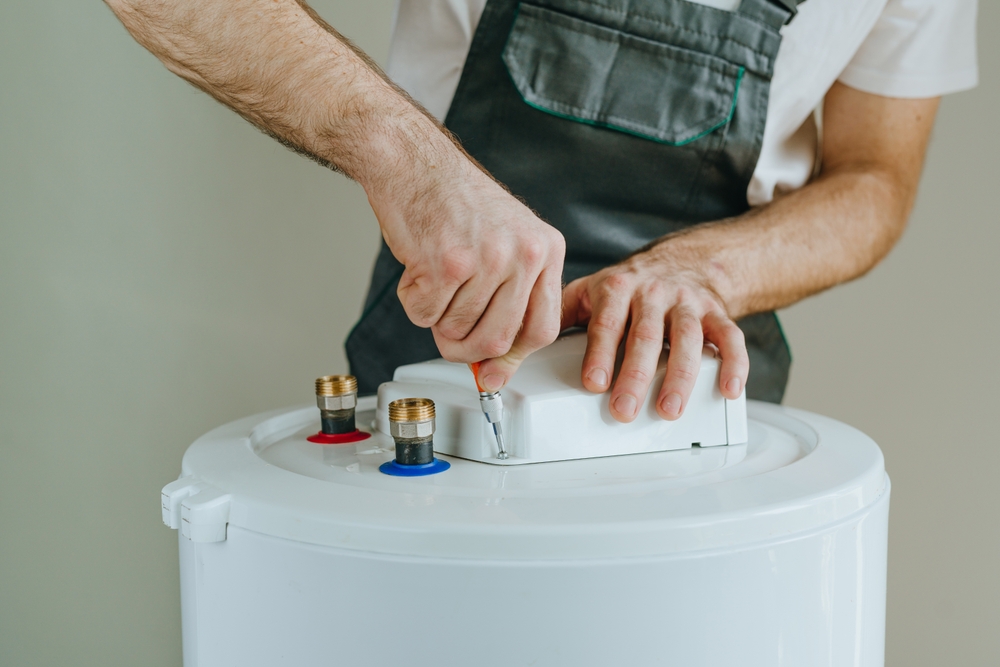

Canadian winters are brutal. Freezing temperatures, ice storms, and months of heavy use put enormous strain on your home’s plumbing system, and your water heater takes the worst of it. By the time spring arrives, your unit has been working overtime to keep up with the demand for hot water during the coldest months of the year. That is exactly why post-winter water heater maintenance is not just a good idea, it is essential.
Whether you have a tank-style water heater or a tankless unit, taking the time to inspect and service it after a hard Canadian winter can extend its lifespan, improve energy efficiency, and prevent costly emergency repairs down the road.
Why Canadian Winters Are So Hard on Water Heaters
During winter, your water heater faces two major challenges that do not exist in warmer months.
Colder incoming water temperatures. Ground temperatures in Canada drop significantly between December and March. The water entering your home from municipal lines or a private well can be several degrees colder than it is in summer. Your water heater has to work much harder to bring that cold water up to your desired temperature, placing extra stress on the heating elements, burner, and thermostat.
Increased household demand. People take longer, hotter showers in winter. More hot water is used for washing hands, doing dishes, and running laundry. This higher demand means your tank cycles on and off more frequently, accelerating wear on internal components.
By spring, your water heater has earned a thorough check-up.
Signs Your Water Heater Needs Attention After Winter
Before diving into maintenance tasks, it is worth knowing what warning signs to look for. Contact a licensed plumber if you notice any of the following:
- Rusty or discoloured water coming from your hot water taps
- Rumbling, popping, or banging noises when the heater is running
- Inconsistent water temperature or water that takes longer than usual to heat
- Water pooling around the base of the unit
- A persistent sulphur or rotten egg smell from your hot water
- Higher than normal energy bills without an obvious cause
These symptoms suggest sediment buildup, a failing component, or early-stage corrosion, all of which are more likely after a long winter of heavy use.
Step-by-Step Post-Winter Water Heater Maintenance
1. Flush the Tank to Remove Sediment
This is the single most important maintenance task for any tank-style water heater, and it should be done at least once a year. Sediment from minerals like calcium and magnesium naturally accumulates at the bottom of your tank over time. After a winter of processing colder, harder water, that buildup can be significant.
Sediment insulates the bottom of the tank from the burner or heating element, forcing the unit to run longer and use more energy to heat the same amount of water. Over time, it can also cause premature corrosion and tank failure.
How to flush your water heater tank:
- Turn off the power supply to your electric water heater at the breaker, or set a gas heater to the “pilot” setting.
- Connect a garden hose to the drain valve located near the bottom of the tank.
- Run the other end of the hose to a floor drain, utility sink, or outdoors.
- Open a hot water tap somewhere in your home to allow air into the system.
- Open the drain valve and allow the tank to fully drain.
- Briefly turn the cold water supply back on to flush out any remaining sediment.
- Close the drain valve, remove the hose, and refill the tank before restoring power or relighting the pilot.
If the water draining from your tank is heavily discoloured or full of visible debris, it is a strong indicator that annual flushing should become a priority in your home maintenance routine.
2. Test the Pressure Relief Valve
The temperature and pressure relief valve, commonly called the T&P valve, is a critical safety device on your water heater. It is designed to release pressure automatically if the tank overheats or pressure builds to a dangerous level. If this valve fails, the consequences can be serious.
After a demanding winter, testing this valve takes only a few seconds and could save your life.
How to test the T&P valve:
- Place a small bucket under the discharge pipe connected to the valve.
- Lift the lever on the valve briefly, then release it.
- You should hear a rush of hot water or steam, then the valve should snap shut cleanly.
If the valve does not release water, drips continuously after being tested, or the lever feels stuck, the valve needs to be replaced immediately. This is a job best left to a licensed plumber.
3. Check the Anode Rod
The anode rod is a sacrificial metal rod, usually made of magnesium or aluminium, that runs through the centre of your tank. Its job is to attract corrosive minerals and electrochemical reactions before they can attack the steel lining of your tank. Without it, tank corrosion would occur much faster.
Anode rods typically last between three and five years, but heavy winter use can deplete them faster than expected. If your anode rod is heavily corroded or has worn down significantly, it needs to be replaced before it stops doing its job entirely.
Checking and replacing the anode rod involves draining part of the tank and using a socket wrench to remove the rod from the top of the unit. If you are not comfortable doing this yourself, a plumber can inspect and replace it during a routine service visit.
4. Inspect the Area Around the Unit for Moisture or Corrosion
After winter, take a close look at the area surrounding your water heater. Look for:
- Rust spots or corrosion on the tank exterior, fittings, or connections
- Water stains or mineral deposits on the floor around the unit
- Condensation on pipes or the tank that was not present before winter
Small amounts of condensation on a gas water heater can be normal when incoming water is very cold. However, persistent moisture or visible corrosion on fittings and connections should be assessed by a professional.
5. Check the Temperature Setting
Many homeowners turn up their water heater thermostat during winter to compensate for longer heating times. If you adjusted your settings back in November and forgot about them, now is a good time to reset the temperature to the recommended level.
Health Canada recommends setting your water heater to at least 60 degrees Celsius to prevent the growth of Legionella bacteria in the tank. At the tap, water should ideally be delivered at no more than 49 degrees Celsius to reduce scalding risk, which is managed through a thermostatic mixing valve.
Avoid running your water heater hotter than necessary, as every 10 degrees of excess temperature increases your energy costs noticeably.
6. Inspect the Flue and Venting (Gas Water Heaters)
For gas water heaters, the flue pipe and venting system are responsible for safely expelling combustion gases outside your home. Over winter, these components can shift, corrode, or become partially blocked by debris, ice, or nesting animals.
Inspect the flue pipe for:
- Visible gaps or separation at the joints
- Rust, corrosion, or holes
- Signs of backdrafting, such as soot or black marks around the draft hood
Any issues with gas venting should be addressed by a licensed gas technician immediately. Carbon monoxide leaks from improperly vented appliances are a serious and potentially fatal hazard.
7. Insulate Pipes if You Have Not Already
While not a water heater repair task specifically, post-winter is the ideal time to insulate any exposed hot water pipes in unheated areas of your home, such as the basement, crawl space, or garage. Insulated pipes lose less heat as water travels from the tank to your taps, which means less work for your water heater and faster hot water delivery.
Foam pipe insulation is inexpensive and widely available at hardware stores across Canada. It slips directly over pipes and can be cut to length with a knife.
Tankless Water Heater Maintenance After Winter
If your home uses a tankless or on-demand water heater, the post-winter maintenance process is somewhat different but equally important.
Descale the heat exchanger. Hard water is common across much of Canada, and the mineral deposits that would otherwise collect in a tank instead build up on the heat exchanger coils of a tankless unit. This process is called scaling, and it reduces efficiency and can cause the unit to overheat or shut down unexpectedly. Descaling involves running a food-grade white vinegar or commercial descaling solution through the unit using a small pump and hoses. Many manufacturers recommend doing this annually.
Clean the inlet filter screens. Tankless water heaters have small filter screens on the cold water inlet that can become clogged with sediment over time. These should be removed and rinsed under clean water.
Check for error codes. Most modern tankless units display error codes when something is wrong. Check your unit’s display panel and consult the manual if any codes are present.
Inspect the condensate drain (condensing models). If you have a high-efficiency condensing tankless water heater, check that the condensate drain line is clear and draining properly.
How Long Should a Water Heater Last in Canada?
With proper maintenance, a traditional tank water heater typically lasts between 8 and 12 years. Tankless units can last 15 to 20 years or longer with regular servicing. However, units that are never maintained, especially in regions with hard water and cold winters, often fail years ahead of schedule.
If your water heater is more than 10 years old and has never been serviced, it may be approaching the end of its reliable lifespan. Proactive replacement on your own schedule is always more affordable than an emergency replacement during a cold snap.
When to Call a Plumber
Some water heater maintenance tasks are straightforward enough for a confident homeowner to handle. Others require professional expertise, especially anything involving gas connections, electrical components, or the pressure relief system.
Call a licensed plumber if you notice:
- No hot water at all
- Water leaking from the tank itself (not from loose fittings)
- A strong smell of gas near the unit
- The pilot light will not stay lit
- Discoloured or foul-smelling water that does not clear up after flushing
- A T&P valve that leaks continuously or will not open
Attempting to repair gas appliances or high-voltage electrical components without proper training is dangerous and can void your manufacturer warranty or home insurance coverage.
Final Thoughts
Your water heater is one of the hardest-working appliances in your home, and Canadian winters push it to its limits. A thorough post-winter inspection and maintenance routine is one of the simplest ways to protect your investment, lower your energy bills, and avoid an unexpected cold shower in the middle of spring.
If you are unsure about any part of the process or would prefer to have a professional handle the inspection, a licensed plumber can complete a full water heater service in under an hour and give you peace of mind heading into the warmer months.
Need help with your water heater after a tough Canadian winter? Our licensed plumbers are available 24 hours a day, 7 days a week, to inspect, service, or replace your unit fast.