

Step-by-Step Guide to Unclogging Your Sink
DIY Tips and When to Call a Professional
One of the most frequent and annoying home plumbing issues is a clogged sink. If you don’t take immediate action, it can throw off your daily schedule and cause more serious problems. You can save time and money by learning how to unclog your sink, whether it’s in your kitchen or bathroom. This guide offers simple, do-it-yourself steps along with professional advice on when it’s time to call in a plumber like 24/7 Emergency Plumber.
What Causes a Clogged Sink
It helps to know the source of the blockage before attempting to clear it. In kitchen sinks, the most frequent culprits are soap scum, food residue, and grease. In bathroom sinks, it’s usually hair, soap residue, and toothpaste buildup. Knowing which one you’re dealing with helps you pick the right method to clear it.
Tools You’ll Need
Before you start, gather a few basic tools:
- Plunger
- Baking soda and white vinegar
- Adjustable wrench or pliers
- Plumber’s snake, also called a drain auger
- Bucket, for catching water when you open the pipe
A Step-by-Step Guide for Clearing Your Sink
Step 1: Boiling Water
Bring a pot of water to a boil and pour it slowly and directly into the drain. This is often enough to loosen or dissolve the buildup causing the clog. Check whether the water now drains freely. If the sink still drains slowly or not at all, move on to the next step.
Step 2: Plunge It
Partially fill the sink with water so it covers the plunger’s cup. Position the plunger over the drain and give it several firm, steady pumps. Lift the plunger to check if the water drains. Repeat if needed.
Step 3: Baking Soda and Vinegar
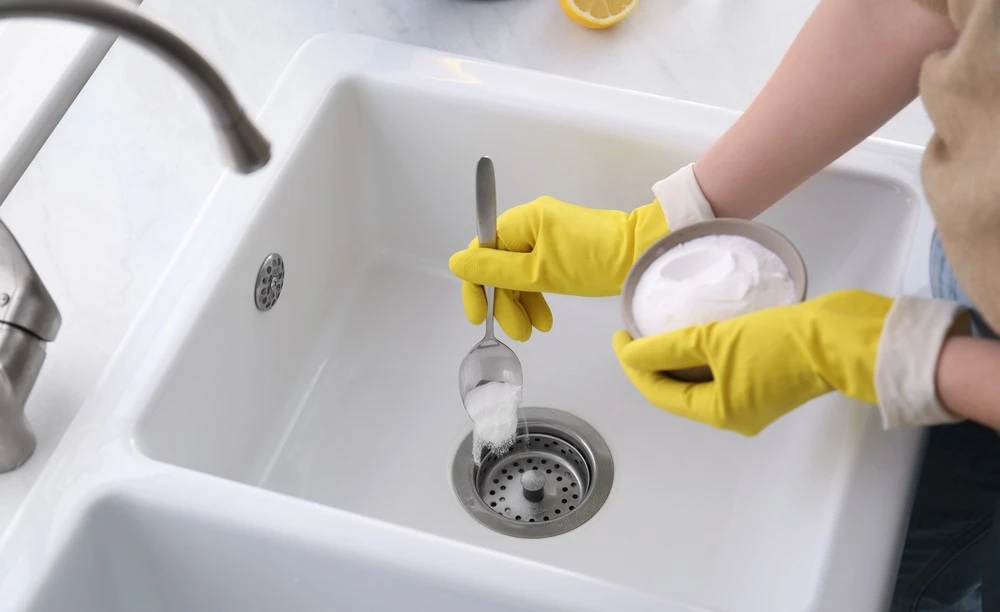
Pour one cup of baking soda down the drain, pushing it in with a spoon or spatula if needed. Follow immediately with one cup of white vinegar and cover the drain opening. Let the mixture fizz for about fifteen minutes, then flush the drain with more boiling water to clear the loosened blockage.
Step 4: Clean the P-Trap
Place a bucket beneath the sink’s P-trap to catch any water. Loosen the P-trap with a wrench or pliers, remove it, and clear out any trapped debris. Reattach the P-trap securely and run water to confirm the drain is clear.
Step 5: Use a Plumber’s Snake
Feed the end of the snake into the drain and turn the handle to work it further down the pipe. When you feel resistance, rotate the snake to break up or hook the blockage. Withdraw the snake, clear off any debris, and finish by running hot water down the drain.
When to Call a Professional
Many clogs can be cleared with the steps above, but there are times when it’s better to call in a professional from 24/7 Emergency Plumber. Consider getting expert help if:
- The clog persists. If you’ve tried every DIY method and the sink still isn’t draining, there may be a deeper problem in the line.
- Clogs keep coming back. Frequent clogs in the same sink often point to a larger issue that needs specialized equipment to diagnose.
- There are bad odors. A persistent, unpleasant smell can be a sign of a significant blockage or a problem further down in the sewer line.
Why Choose 24/7 Emergency Plumber
We respond quickly to service calls so your plumbing problem gets fixed without unnecessary delay. Our technicians are experienced with issues that go well beyond a simple clogged sink, and we offer a full range of services, from straightforward repairs to thorough inspections and ongoing maintenance, to keep your plumbing system in good working order.
Unclogging a sink is often a manageable do-it-yourself project, but knowing when to call in a professional can save you from more damage and costlier repairs down the line. Try the steps above for simple blockages, and if the problem is more serious, contact 24/7 Emergency Plumber or explore our drainage services for complete clog and drain solutions.